When shopping, it’s important to know the return policy of the store you’re buying from. Whether you need to return something that doesn’t fit, exchange a gift, or get a refund on an item that didn’t work out, understanding the rules for returns can save you time and hassle.
In this guide, we’ll break down the return policies of some of the most popular retailers in the U.S. From generous policies that offer extra flexibility to stores with stricter rules, here’s what you need to know about how to make returns easy and stress-free.

General Guidelines on Return Policies
Most retailers in the U.S. have specific guidelines when it comes to returns, and while policies can vary, some common rules apply across many stores. Knowing these general guidelines will help you prepare for a smooth return process, no matter where you shop.
Here are a few key things to keep in mind:
- Receipt Requirements: Most stores require proof of purchase, like a receipt or order confirmation email, to process a return or exchange.
- Return Timeframes: Retailers usually have a time limit for returns, often ranging from 30 to 90 days, but it can be shorter for certain items (like electronics) or during the holiday season.
- Condition of the Item: In most cases, items must be returned in new or unused condition, with original packaging and tags still intact. Some stores may refuse returns for damaged or heavily used items.
- Refund Methods: Refunds are typically issued to the original form of payment, whether it’s a credit card, gift card, or cash. Some stores may offer store credit or exchanges if a refund isn’t possible.
- Online vs. In-Store Purchases: Be aware that the return process for online orders can differ from in-store purchases. Some retailers allow you to return online purchases to a store, while others require you to ship them back.
By following these general guidelines, you’ll have a better understanding of what to expect when returning items, making the process easier and more efficient.

Return Policies of Major U.S. Retailers
Each major U.S. retailer has its specific return policies, and it’s helpful to know the differences when planning a return or exchange. Below is a breakdown of the return policies for some of the most popular stores in the U.S.:
- Amazon
- Timeframe: 30 days for most items.
- Exceptions: Some items may have shorter return windows, especially third-party sellers.
- Receipt Requirements: Returns must be initiated through your Amazon account.
- Refund Method: Refunds are usually processed back to the original payment method, or Amazon gift card balance if preferred.
- Best Buy
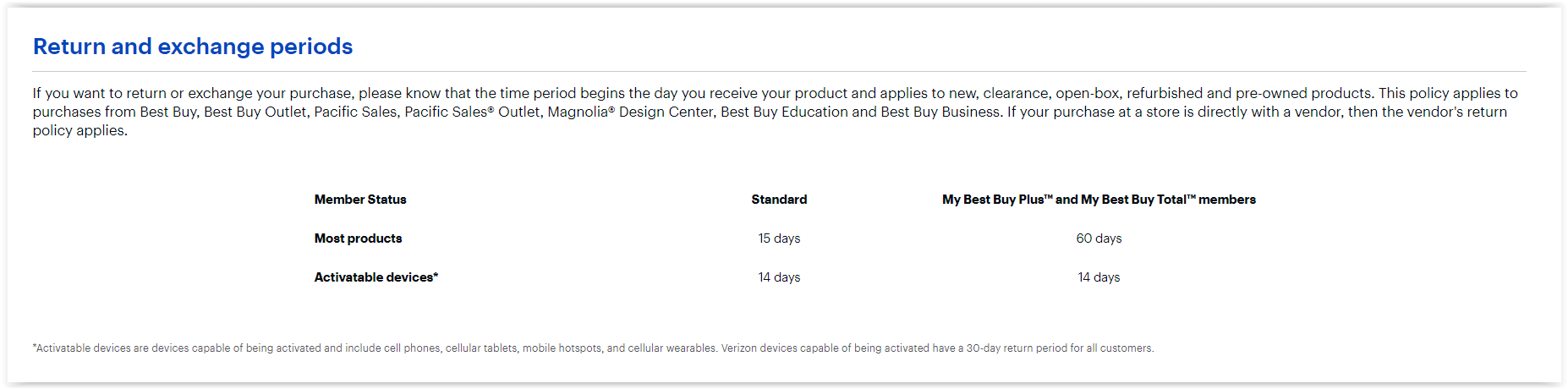
- Timeframe: 15 days for standard customers, 60 days for My Best Buy Plus and My Best Buy Total members.
- Exceptions: Activatable devices must be returned within 14 days regardless of your customer status, whether you’re a member or not. Products in the Halloween Decorations and Christmas Decorations categories can be returned within 15 days for a full refund by all customers, including members of the My Best Buy, My Best Buy Plus, and My Best Buy Total (“Membership Program”).
- Receipt Requirements: Required for most returns, although purchases can sometimes be looked up with your payment method.
- Refund Method: Original payment method, or store credit without proof of purchase. Reimbursements for returns without proof of purchase might require an email address and could be denied or limited. Additionally, state sales taxes and fees will not be refunded.
- Costco
- Timeframe: No specific time limit for most items.
- Exceptions: Electronics must be returned within 90 days.
- Receipt Requirements: While not always necessary, having a receipt or membership information can speed up the return process.
- Refund Method: Refunds are given to the original payment method or in-store credit.
- Target
- Timeframe: 90 days for most items; Target Owned Brand items can be returned within one year with a receipt for an exchange or a refund.
- Exceptions: Electronics must be returned within 30 days, and Apple products within 15 days. Mobile phones bought in-store or online through Order Pickup must be returned or exchanged within 14 days.
- Receipt Requirements: Returns without a receipt can be processed using the card you paid with or by giving store credit.
- Refund Method: Same as the original payment method, or store credit for returns without proof of purchase.
- Walmart
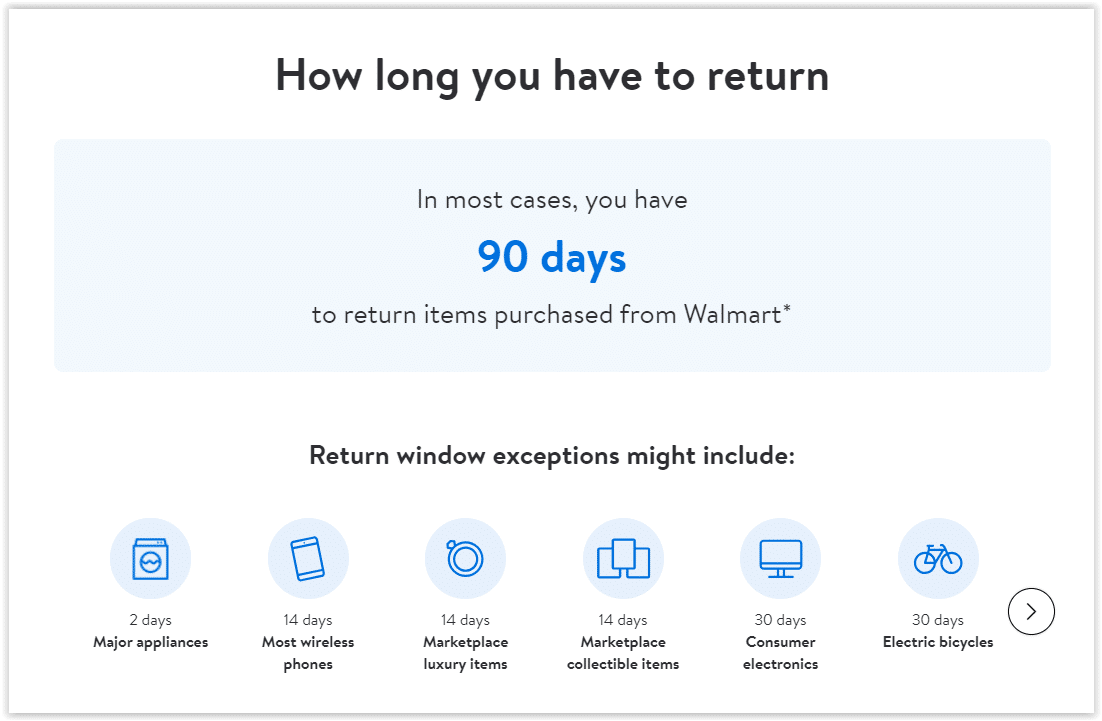
- Timeframe: 90 days for most items.
- Exceptions: Electronics and entertainment items must be returned within 30 days; cell phones within 14 days.
- Receipt Requirements: A receipt is preferred, but some returns can be processed without one.
- Refund Method: Refunds are generally issued to the original payment method. Without a receipt, store credit is typically given.
Knowing the specifics of each store’s return policy can save you a lot of trouble. Make sure to double-check the policies for high-ticket items or electronics, as these often have stricter rules.
How to Maximize Return Benefits
Getting the most out of your return process can save you time and ensure you get the best possible outcome. Here are some practical tips to help you maximize your return benefits:
- Keep Your Receipt: Always keep the receipt or proof of purchase for your items. It’s often required for a return and helps speed up the process. If you’ve lost it, some stores can look up your purchase using your credit card or membership information.
- Know the Timeframe: Check the return policy timeframe for the store where you purchased your item. Returning items within the allowed period is crucial for receiving a full refund or exchange.
- Understand the Condition Requirements: Make sure items are in the condition required by the store. This usually means returning items in their original packaging and with tags still attached. Some stores have stricter rules for items that have been used or damaged.
- Be Aware of Exceptions: Some items, like electronics or seasonal decorations, may have special return policies. Be sure to check any exceptions to avoid issues.
- Utilize Online Tools: For online purchases, use the retailer’s website to initiate returns. Many stores offer easy-to-follow return processes online, which can include printing return labels or scheduling pickups.
- Check for Refund Methods: Know how refunds will be processed. Most stores refund to the original payment method, but some might offer store credit or exchanges if you don’t have a receipt.
- Track Your Return: If you’re mailing back an item, keep track of the shipment. Use tracking numbers to ensure the return reaches the store and follow up if needed.
- Take Advantage of Membership Benefits: If you’re a member of a store’s loyalty program, be sure to use any additional benefits or extended return periods that come with your membership.
By following these tips, you’ll make the return process smoother and ensure you get the most out of your return policy.
Special Return Policy Considerations
While most returns are straightforward, some situations can be a bit more complex. Here are a few special considerations to keep in mind when dealing with return policies:
- Gift Returns: If you’re returning a gift, check if the store offers gift receipt options. Many retailers provide special procedures for returning gifts, which might include store credit instead of a refund to the original purchaser.
- Opened vs. Unopened Items: Some stores have different policies for opened versus unopened items. Opened products, especially electronics and personal care items, might be subject to stricter return conditions or restocking fees.
- Final Sale Items: Items marked as “final sale” or “clearance” are usually non-returnable. Make sure to check labels or store policies to avoid issues with these types of purchases.
- Online Returns for In-Store Purchases: If you bought an item in-store but want to return it online or through mail, verify if the store allows this. Some retailers only accept returns through the same channel where the purchase was made.
- International Returns: For items bought from international retailers or websites, the return process can be different. Check if there are additional shipping costs or specific return instructions for international purchases.
- Refund Timing: Refunds can sometimes take a while to process, especially if returned items are being inspected. Keep an eye on your account and contact customer service if there are delays.
It is also worth mentioning that during the holiday season, many retailers extend their return windows to accommodate gift returns and exchanges. For example, Walmart, Target, and Best Buy typically offer longer return periods during this time, allowing customers more flexibility to return or exchange items purchased as gifts.
Conclusion
Understanding return policies and how to navigate them can make your shopping experience smoother and less stressful. By keeping receipts, being aware of store-specific rules, and following the best practices for returns, you can ensure that you handle returns efficiently and make the most of your purchases.